

The Benefits of CranioSacral Therapy for TMJ Disorder
29 April 2026
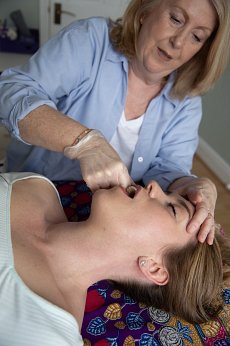
Temporomandibular Joint Disorder (TMJ or TMD) is a common condition that affects the jaw joint and the muscles surrounding it. The temporomandibular joint acts like a sliding hinge, connecting your lower jaw to your skull and allowing you to speak, chew, yawn, and smile comfortably. When this joint becomes strained or imbalanced, even simple daily activities can become painful.
Many people living with TMJ disorder experience ongoing discomfort without realizing that gentle, CranioSacral Therapy can offer meaningful relief.
Understanding TMJ Disorder
TMJ disorder can show up in many ways, including:
Jaw pain or tenderness Clicking, popping, or grinding sounds Difficulty opening or closing the mouth Jaw locking Facial pain or tension Headaches and migraines Ear pain or pressure Neck and shoulder tightness Teeth grinding or jaw clenching (bruxism) The causes of TMJ disorder vary from person to person. Stress, poor posture, dental clenching, injury, arthritis, and muscular tension can all play a role. Often, it is not just the jaw itself causing the problem, but a larger pattern of tension throughout the head, neck, and nervous system.
What Is CranioSacral Therapy?
CranioSacral Therapy (CST) is a gentle, hands-on treatment that uses light touch to release restrictions in the body’s connective tissues, particularly around the head, jaw, neck, spine, and sacrum.
Rather than focusing only on the jaw joint, CST looks at how the entire body contributes to tension and imbalance. The treatment is deeply calming and works to support the nervous system while improving mobility and reducing discomfort.
How CranioSacral Therapy Helps TMJ Disorder?
Reduces Jaw Muscle Tension
Many TMJ symptoms come from tight, overworked muscles in the jaw, face, temples, and neck. Stress-related clenching and grinding can create constant strain.
CranioSacral Therapy helps release this muscular tension gently, allowing the jaw to relax without forceful manipulation.
Improves Jaw Mobility
Restrictions in the neck, upper spine, and surrounding fascia can affect how the jaw moves. When these areas are tight, the jaw may click, shift, or feel restricted.
By improving tissue mobility and reducing fascial tension, CST can help support smoother jaw movement and reduce discomfort during chewing or speaking.
Supports Stress Relief and Nervous System Regulation
Stress is one of the biggest contributors to TMJ disorder. Many people unconsciously clench their jaw during the day or grind their teeth at night.
CranioSacral Therapy is known for its calming effect on the nervous system. It helps reduce the body’s stress response, which may lessen unconscious tension patterns and support better sleep.
Helps with Related Symptoms
TMJ disorder often affects more than just the jaw. Headaches, migraines, neck pain, shoulder tightness, and facial pain frequently accompany it.
Because CST works with the whole cranial and fascial system, many clients notice improvements in these related symptoms as well.
Complements Other TMJ Treatments
CranioSacral Therapy works especially well alongside dental care, physiotherapy, posture correction, and stress management.
It is not about replacing medical care, but enhancing it by addressing the underlying tension patterns that keep symptoms returning.
What to Expect During a Session
A CranioSacral Therapy session for TMJ usually involves gentle work around:
The jaw and facial muscles The temples and base of the skull The neck and upper spine The shoulders and upper chest The throat and tongue area Overall posture and tension patterns The touch is very light, slow, and non-invasive. Most people find the treatment deeply relaxing and often notice a sense of relief not only in the jaw, but throughout the whole body.
TMJ disorder can be frustrating, especially when symptoms affect daily life, sleep, and stress levels. Because the jaw is closely connected to posture, muscle tension, and the nervous system, lasting relief often requires more than simply treating the joint itself.
CranioSacral Therapy offers a gentle and supportive approach by addressing the deeper patterns behind TMJ discomfort. For many people, it becomes an important part of a long-term healing plan—helping restore ease, comfort, and balance naturally.
When the jaw relaxes, the whole body often follows.
If you have any further questions about whether CranioSacral Therapy can help you please get in touch: 07757745392 .